Posts

Crystal Palace Location Recce
Image
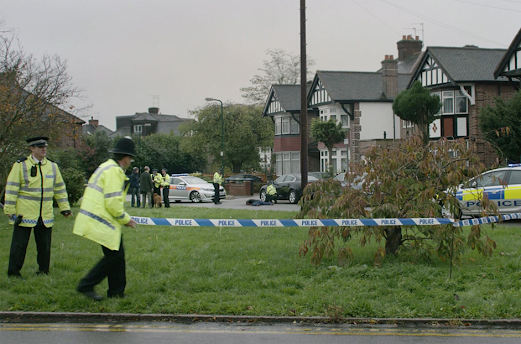
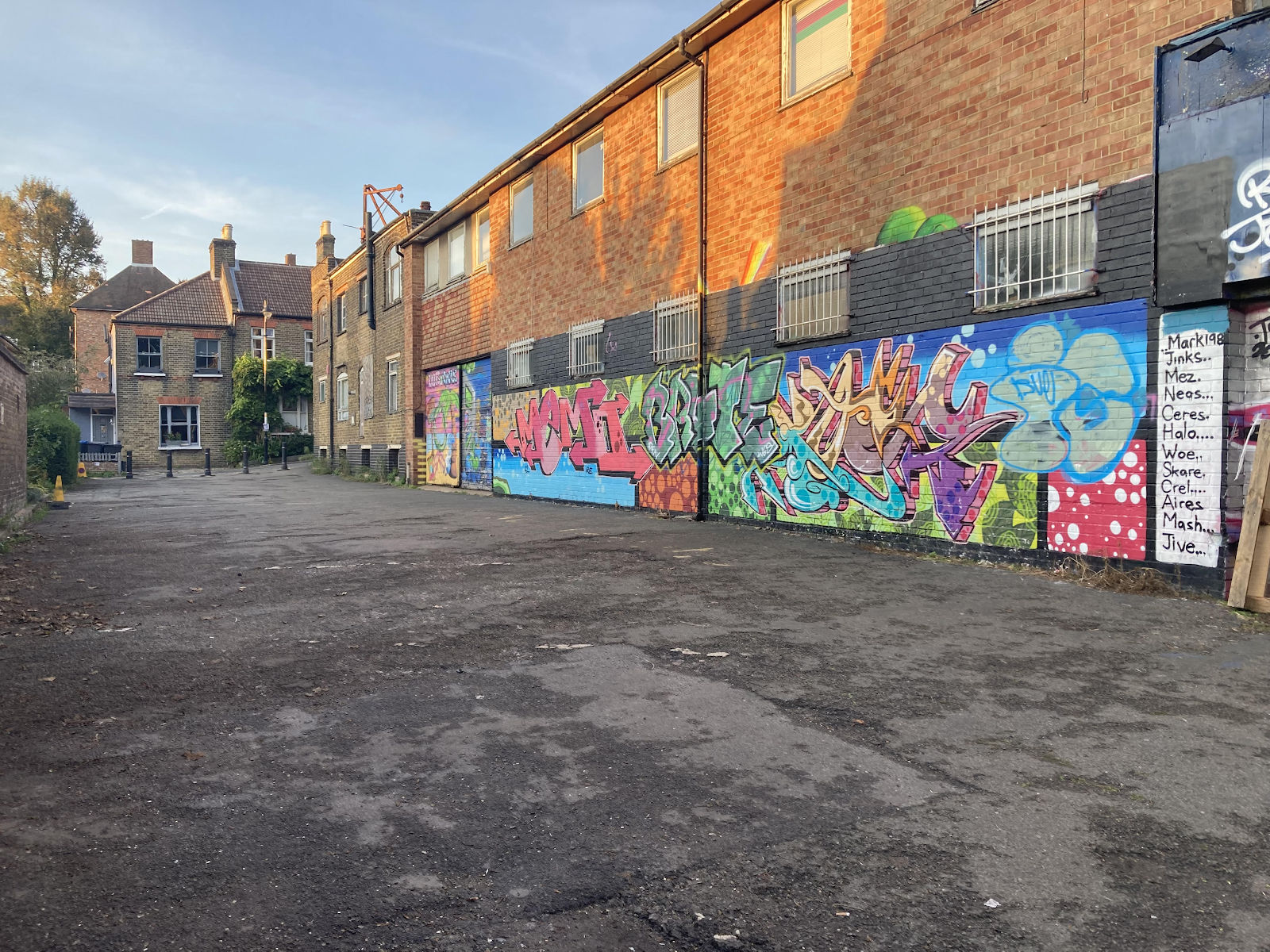
  Location Recce Part 2 – Crystal Palace For the next part of my location scouting, I went on a hero’s quest, a massive, 407-mile long epic adventure up to Crystal Palace. The walk only took about 5 minutes I live right outside it. Here I was looking for a few sideroads that I tend to travel down to get to the Everyman cinema (because of course that’s why I’m there). I chose these roads because they are almost constantly quiet, especially early in the morning and late at night, obviously avoiding rush hour so there’s no traffic on the main road. It’s a pretty nice neighbourhood that I can use to shoot the ending segment in which the gang show up to support Adria. Plus, there’s a nice iron fence that obscures a place that I am convinced houses either gang activity or 47 homeless people and I can’t quite decide which one to settle on. Only issues really would be someone getting hit by a car. We can probably avoid that. Probably.
Croydon Location Recce

Image
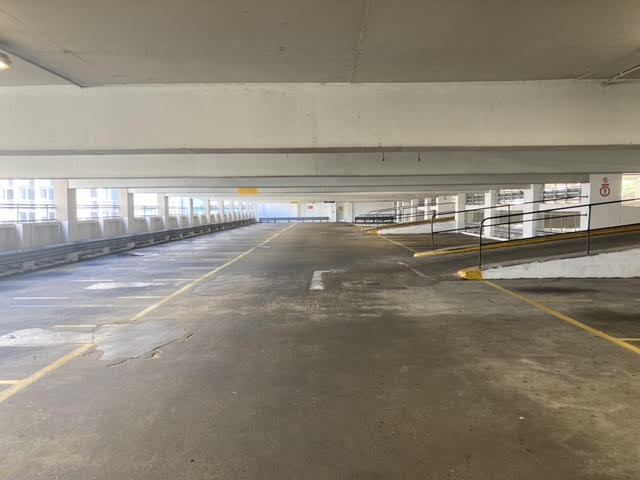
  Location Recce Part 1 – Croydon For the main dialogue scene of my short film, I wanted to find a location that creates a feeling of seedy dread and discomfort, something synonymous with illegal activity. What better location than a quiet car park? Luckily for me, my local area is the worst and we have quite a few such locations. I first investigated a car park attached to the Sainsbury’s in Crystal Palace (another location I aim to shoot at), but unfortunately it was too well kept and too well-lit to create a menacing atmosphere. I then turned my attention to Croydon because, well, it’s Croydon. That place is the geographical equivalent of purgatory. Knowing the area quite well, I knew that the Whitgift shopping centre had an attached car park, and luckily for me, it is one of the worst places that I have ever been to. As such I arrived there, ascended the stairwell that reeks of urine and snapped some pictures of a couple floors in the car park. The top 2-3 floors are almost e...

Screenplay

Image
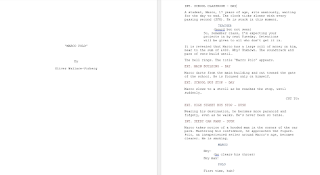
It took a lot of work - but this is the draft of my screenplay I'll be using for the production. Obviously, there's room for change here, this simply provides the structure and narrative of the project as opposed to every minute detail. I've certainly got some ideas for the look and feel of the production from this, so I reckon it'll shape up just fine

Audience Research

  Audience Research Following considerable research, I have decided to aim my short film at a teenage target audience. This is because of several factors, chief among them being that as teenagers have notoriously low attention spans, presenting a five minute short film to them stands a better chance of succeeding than presenting it to a more adult audience. This also enables for more cynical humour (my speciality) to be implemented into my screenplay as such a decision resonates more with teenage audiences than anyone else. Adult audiences also often search for deeper hidden meanings behind a piece of art (as one should, in my eyes), whereas teenagers are more likely to enjoy the ride without thinking critically. Whether this is a ruthless indictment of the comprehension skills of teenagers or simply a reflection on the current standings of stereotypical behaviour is another matter. Essentially, I’m aiming to make my film appear to a younger demographic akin to my peers (okay...

The Arrival

Image
  Short Film Research – The Arrival (2016) This films centres on Anna, a young woman sat in a small public café awaiting the father of her yet-to-be-born child. The narrative is told through a voiceover of Anna’s internal monologue as she debates a potential abortion. The serious subject matter of this film is represented through a heavily desaturated, nigh muted, colour palette, with the café being displayed in deep reds and browns while Anna’s jumper is the brightest focal point in cream. Aside from that, Anna is presented as simply ordinary, her costume and make-up reflecting just a typical person, displaying a deeper truth that the film wishes to communicate – that many women have been in a similar place to her. The films is also, and notably, shot in a single long take. The camera starts behind a door, obfuscating Anna in the café before the door opens and the camera begins to eek closer and closer to her as it dollys through the harshly lit environment. The mise-en-scene ...

Over

Image
  Short Film Research – Over (2015) This film is fascinating for one main reason: the decision to keep the plot of the film obscured until the final few heart-breaking moments. Once revealed, you realise this film displays a reconstruction of the story of a man from Angola who had stowed away within airplane landing gear, unfortunately and tragically falling out onto a neighbourhood once the gear lowered for landing. The reverse chronology keeps the audience active in their viewership, as they have to piece together what little information, they’re given to establish the plot for themselves. For example, the film opens with flowers and blood being cleaned from the streets, thus the audience concludes a death, but not one so brutal. The cinematography is often static and positions the viewer at a distance, once more making the audience debate what they’re seeing and the significance of it, the only close-ups being to clue the audience in that a death has occurred. The infrequent...

Operator

Image
  Short Film Research – Operator (2015) Once more a harrowing film, but in a much different sense. This follows a fire department phone line operator as they answer a call from a woman in distress. As the situation worsens, the fear and panic of the two become more evident. This film utilises very slow and infrequent edits throughout, instead focussing on the performance of the main actor in a very Hollywood way. It’s only right at the end that the most impactful edit hits as we jump from a close-up to a mid-shot, removing us from the tension of the scenario and returning to the reality of the office. The mise-en-scene also paints a terrifying picture of what it’s like being a phone operator for emergency services as the woman just appears to be a normal person. She wears the same uniform as everyone else in the room, suggesting that all of them experience similar calls to this every single day, and yet they still come in the day after. The use of sound in this film is nigh unp...